
 By Arturo · · 4 min read
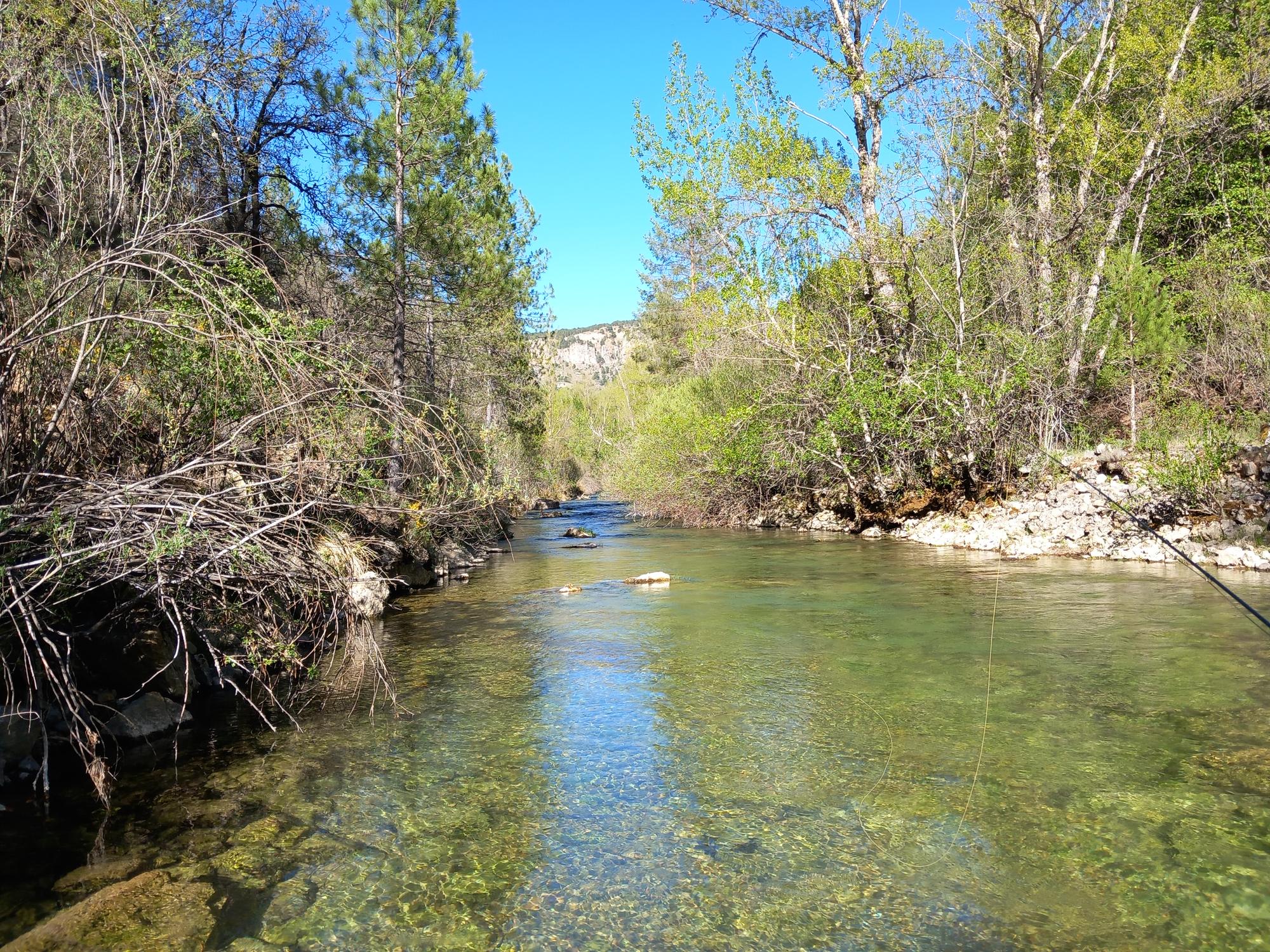
It’s the first outing of the line’s second season, and the tip keeps sinking. You strip it back and bend the last few centimetres between your fingers. Fine cracks open in the coating. In one spot, it’s already peeling.
Many floating fly lines have a nylon core, either braided or made from a single filament. If a crack goes through the coating, water can reach the core. In a braided core, water can wick between the strands and fill spaces that used to hold air. As that section takes up water, it loses buoyancy. Once cracks and peeling extend along the head, the damage is irreversible.
1. Clean the line after every outing
Pull off the length you fished and run it through a soft cloth dampened with lukewarm tap water. Turn the cloth when it picks up dirt. Mud, algae and fine grit can cling to the line even in clear water. As the line runs through the guides, the grit rubs against the coating.
A quick wipe with a cloth is enough after most outings. If you’ve been fishing in salt water, rinse the line with fresh water first. Give the whole line a more thorough clean before putting it away for the season. Dirt can make the tip of an otherwise sound floating line sink slightly. Clean the line and check the coating before writing it off. How to clean a fly line
2. Let the line and backing dry before storage
Take the reel out of its pouch when you get home. If there’s water between the wraps of line on the spool, pull off the wet line and lay it in wide coils on a clean towel in the shade. If the reel went under, check the backing as well. Remove the spool if that helps air reach it, and give the backing time to dry before closing the pouch.
3. Wind it on without stretching it
Once the line is dry, wind it evenly with just enough tension to lay it neatly on the spool. Avoid pulling it tight against the wraps underneath. Over time the line takes the shape of the spool. The smaller the spool, the tighter the coils.
If you’re putting the line away for months, rewind it loosely on the reel or use a wide storage spool. You can also lay it in large, loose coils in a clean box.
4. Take the reel out of a hot car
Bring the reel indoors if the car is going to sit in the sun for hours. The boot heats up too. Prolonged or repeated exposure to high heat can speed up the loss of plasticisers, the additives that keep flexible PVC supple. As the coating stiffens, it becomes more prone to cracking when the line flexes.
Between trips, store the reel somewhere cool and out of direct sunlight. A cupboard indoors is a good spot.
5. Keep DEET off PVC coatings
DEET is an active ingredient in some insect repellents. It acts as a solvent on some plastics. It can penetrate PVC and make the surface swell or soften. A softened coating is easier to mark and wear as the line passes through your fingers and the guides.
Apply repellent away from the open reel and wash residue off your hands before handling the line. If DEET gets on the line, clean the affected section promptly with tap water and a soft cloth.
6. Keep sun cream off the line too
Some sun cream formulations contain ingredients that can damage a fly-line coating. The effect depends on the cream and the coating. An oily film can also hold grit, especially on the few metres that keep passing through your stripping hand.
Wash your palms and fingers after applying sun cream and before handling the line. If you transfer some to the line, wipe it off promptly with a damp cloth. If residue remains, use a cleaner suitable for the coating.
7. Prevent cuts and abrasion on the water
Gather any loose line before walking along a gravel bank, and wind it in before shutting a car door. If tippet wraps around the fly line, take the tension off before trying to untangle it. Fine tippet can cut into the coating when it cinches down.
If a clean line keeps catching, look at the tip guide and the other guides under a good light. A chipped insert or rough guide can keep scuffing the line. If the line rubs only when the spool is nearly full, check whether the wraps are touching the reel frame. Rewind the line evenly and make sure there’s room for the last few wraps. Check the welded loop when you change leaders, too. A split confined to the loop can often be repaired while the rest of the line is still sound.
Once you’ve found a line that suits the way you fish, it’s worth looking after. A quick wipe and check after each outing can help you get more seasons out of it before you need to buy another. On the first outing next season, you want to be thinking about where to put the fly.